Green Verde Design Notes
System Guide5 min read

HVAC Energy Efficiency for Charlotte Area Homeowners

In a typical Charlotte-area home, HVAC accounts for 40–60% of total energy use — and the biggest inefficiencies are duct leakage, equipment oversizing, and deferred maintenance.

Residential heating and cooling system in Charlotte, NC
01

Where Charlotte Homes Lose Energy

In a typical Charlotte-area home, HVAC accounts for 40–60% of total energy use. Within that, the primary inefficiency sources are:

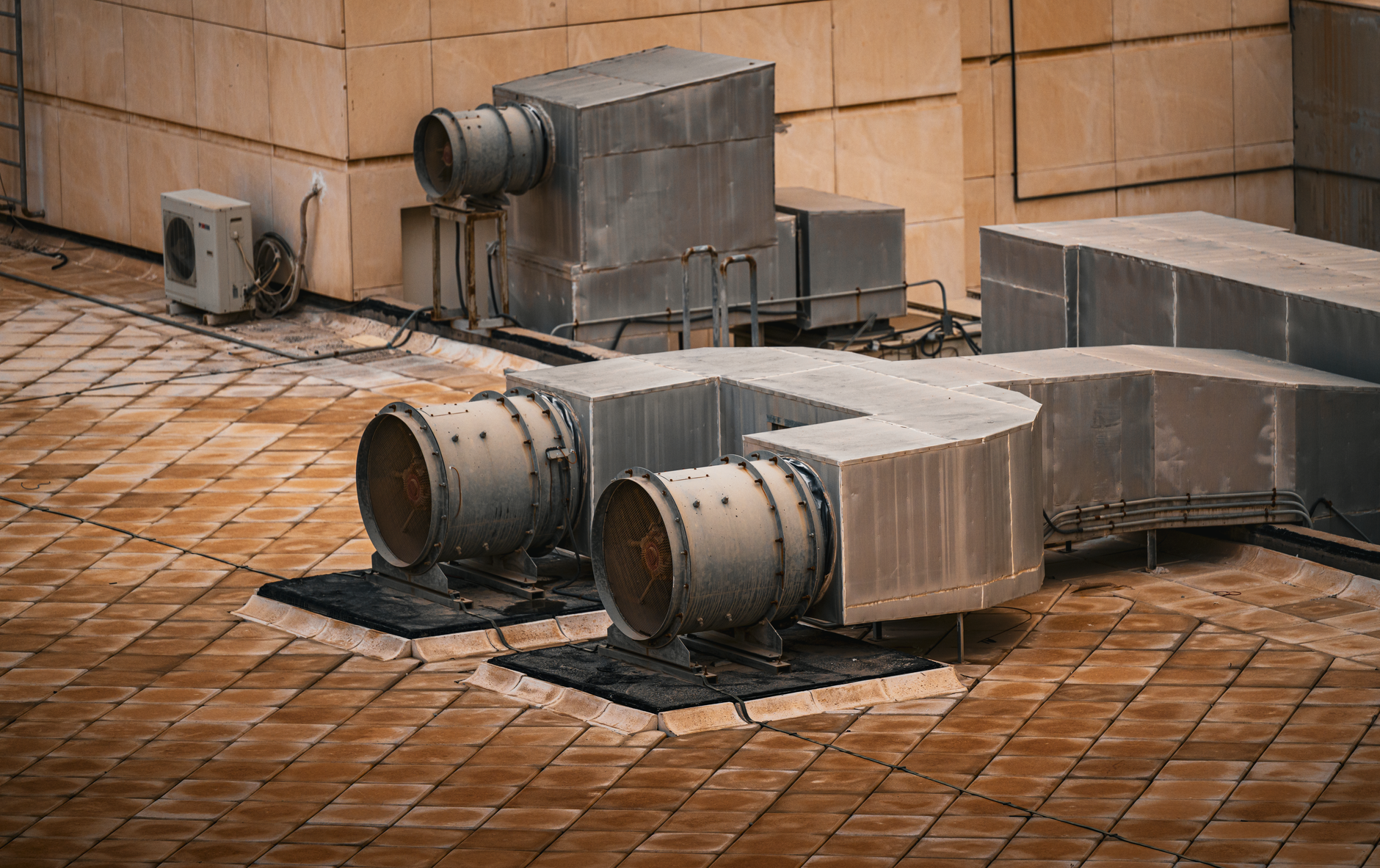
Duct leakage — supply and return ducts in hot attics lose conditioned air to unconditioned space. Studies in North Carolina housing consistently find 15–30% duct leakage in homes without duct sealing work. That means up to 30% of what the system produces never reaches the living space.

Equipment oversizing — most contractors size equipment by floor area or by replacing existing capacity, not by calculating actual load. Oversized systems short-cycle, reducing efficiency and dehumidification effectiveness.

Deferred maintenance — dirty coils, low refrigerant charge, and restricted airflow all reduce the efficiency a system actually delivers versus what its SEER rating promises.

Studies in North Carolina housing consistently find 15–30% duct leakage in homes without duct sealing work.
02

What Actually Reduces Energy Use

In order of typical impact:

  1. Duct sealing — highest single-measure impact in most Charlotte-area homes; duct blaster testing can quantify existing leakage
  2. Attic insulation and air sealing — reduces cooling load in summer and heating load in winter
  3. Thermostat management — 2–4°F setback during unoccupied periods
  4. Equipment maintenance — coil cleaning, refrigerant verification, filter maintenance
  5. Equipment upgrade — moving from a 13-SEER to an 18-SEER system on a well-maintained, correctly sized installation

The National Weather Service Greenville-Spartanburg, UNC Charlotte programs, NC State Parks, and the Charlotte Area Chamber represent the regional context for home energy decisions. For residential HVAC service that documents system performance alongside energy efficiency, working with a heating and cooling company that provides written findings per visit is the starting point for understanding what your system is actually doing.

04

Tax Credits and Incentives

Federal tax credits for high-efficiency heat pumps and other qualifying HVAC equipment are available in some years under the Inflation Reduction Act provisions. Check current-year IRS guidance (Form 5695 instructions) for the specific credit amounts and equipment qualification requirements, as these can change annually.

Stay informed

Get the efficiency-first sequence

Duct sealing, envelope, thermostat, maintenance, then equipment — in the order that actually delivers the rated savings.

An editorial resource. No service scheduling.